10 Mysterious Places Where Water Vanishes Without a Trace
1. Lake Cerknica: A Natural Wonder of Slovenia
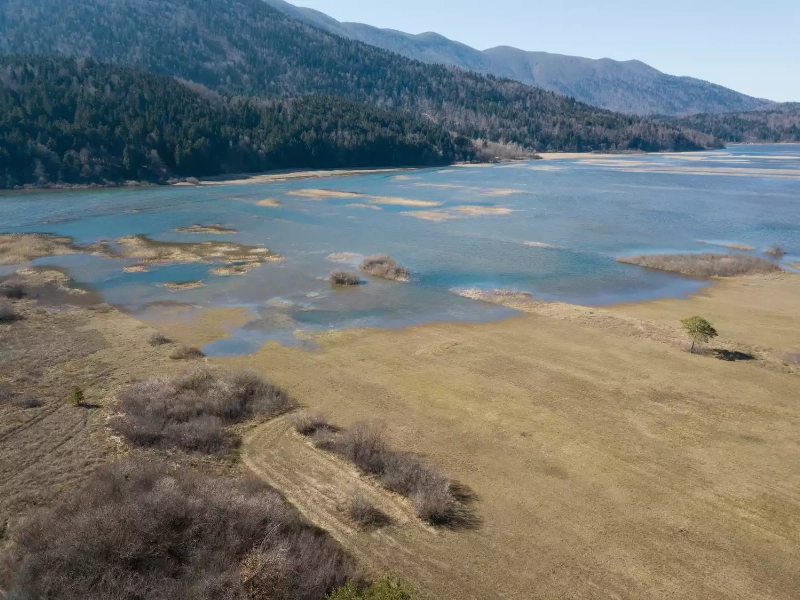
During summer months when rainfall becomes scarce, the lake's water gradually drains into deeper underground reservoirs. This process leaves the lake bed completely dry, transforming the once-thriving aquatic environment into a vast, barren plain. However, this dramatic transformation is temporary. As the rainy season approaches and precipitation increases, higher reservoirs begin filling. The water eventually returns to the lake basin, revitalizing the lake and restoring its aquatic ecosystem.
The underground passages' complexity creates somewhat unpredictable water levels. This unpredictability represents one of the lake's most fascinating aspects. Sometimes Lake Cerknica remains full for several consecutive years, providing a stable habitat for numerous plant and animal species. Conversely, extended drought periods can keep the lake dry for up to a year, dramatically altering the surrounding ecology.
Lake Cerknica's cyclical nature significantly impacts the surrounding ecosystem and local communities. The lake's presence or absence directly affects regional biodiversity, influencing bird migration patterns, amphibian breeding cycles, and the development of unique plant species adapted to this changing environment. Local tourism, agriculture, and recreational activities are also affected by the lake's shifting conditions, requiring the community to adapt to its rhythms.
A karst landscape is the geological feature responsible for Lake Cerknica's behavior. This type of terrain features limestone bedrock that is easily eroded by slightly acidic rainwater. Over millions of years, this erosion has created an extensive network of underground caves, channels, and sinkholes that are vital to the lake's hydrological cycle.
Scientists and researchers continue studying Lake Cerknica to understand its complex dynamics and the potential effects of climate change on this unique ecosystem. The lake serves as a natural laboratory for hydrologists, geologists, and ecologists, helping them better understand the intricate relationships between surface water, groundwater, and the surrounding landscape.