10 Mysterious Places Where Water Vanishes Without a Trace
9. Lake Waiau: Hawaii's High-Altitude Mystery
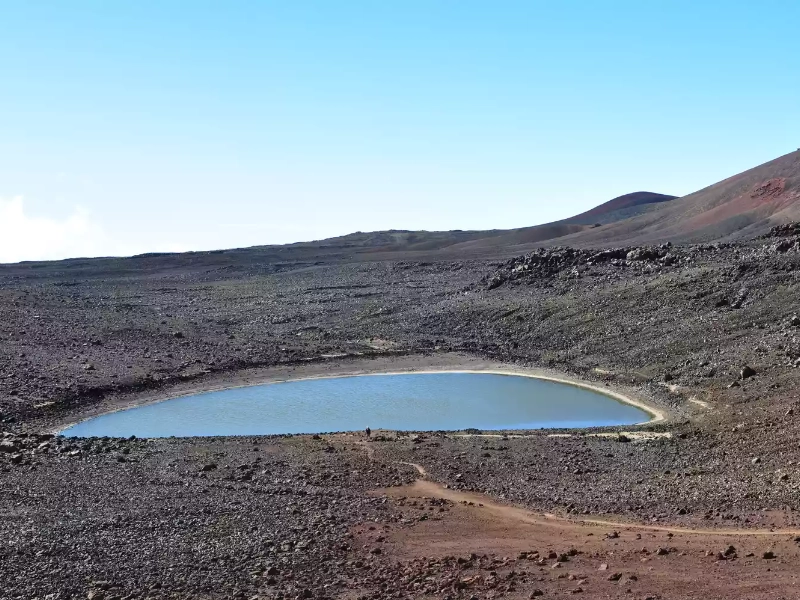
However, in 2010, Lake Waiau began showing troubling changes that attracted the attention of scientists and local observers. The lake started shrinking at an unprecedented rate, until by 2013 it was little more than a small puddle. This dramatic reduction in water volume was unprecedented in the lake's recorded history, raising serious questions about the long-term viability of this unique ecosystem.
The causes behind Lake Waiau's near-extinction remain a subject of scientific debate and investigation. While drought conditions were observed during this period and certainly contributed to the lake's decline, the extent and speed of the water loss have not been fully explained. The lack of historical precedent for such dramatic shrinkage adds to the mystery, as Lake Waiau had never before reduced to such levels prior to 2010.
Fortunately, Lake Waiau's story took a positive turn in 2014 when the lake began refilling following a particularly wet winter. The restoration of the lake to its normal volume brought relief to many who were concerned about its future; however, it also raised new questions about the lake's hydrology and vulnerability to climate fluctuations.
The changes in Lake Waiau have significant implications for our understanding of high-altitude ecosystems and their responses to environmental changes. As a relatively isolated body of water at high elevation, Lake Waiau serves as a valuable indicator of climate change impacts in mountain environments. The dramatic changes of recent years could be harbingers of broader environmental shifts occurring at high altitudes around the world.
Lake Waiau also holds great cultural significance for Native Hawaiians. Traditionally considered a sacred site, the lake has been a focus of cultural practices and spiritual connections for generations. The near-disappearance and subsequent recovery of the lake have raised questions about the preservation of cultural heritage and indigenous connections to the land, beyond scientific curiosity.
The case of Lake Waiau emphasizes the need for long-term environmental monitoring and the importance of interdisciplinary approaches to understanding complex ecological systems. Further research on the lake's hydrology, combined with traditional ecological knowledge, can provide crucial insights into the resilience and vulnerabilities of high-altitude ecosystems in the face of global climate change.